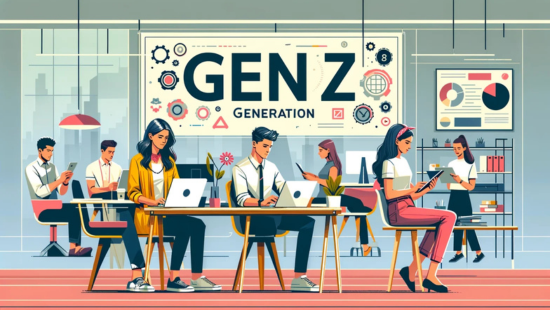
As Gen Z enters the workforce, they bring a fresh set of expectations that are forcing HR departments to rethink their approaches to talent management, workplace culture, and employee well-being. This generation, known for its tech-savviness, social consciousness, and desire for flexibility, is reshaping the traditional HR role in several key ways.
1. Flexibility and Remote Work:
Gen Z values flexibility in how and where they work. Remote work, hybrid models, and flexible schedules are now non-negotiable for many. HR is tasked with developing policies that support these preferences, ensuring remote employees stay engaged, productive, and connected to the organization.
2. Purpose and Values:
Gen Z is highly values-driven. They want to work for companies that align with their beliefs on social justice, sustainability, and ethical practices. HR plays a key role in ensuring that company values are not just communicated but also reflected in recruitment, leadership, and day-to-day operations. Diversity, equity, and inclusion (DEI) are especially important, and HR must actively work to make organizations more inclusive.
3. Career Growth and Development:
This generation is committed to continuous learning and career advancement. HR is now focused on offering personalized career development plans, mentorship opportunities, and upskilling programs to keep Gen Z employees engaged and help them grow professionally.
4. Work-Life Balance:
Gen Z places a high premium on work-life balance, often rejecting the traditional "always-on" culture. HR is rethinking policies around working hours, encouraging employees to disconnect outside of work, and implementing flexible time-off policies to prevent burnout.
5. Technology and Digital Tools:
Tech-driven solutions are crucial for HR to meet the demands of Gen Z. From AI-driven recruitment tools to digital communication platforms, HR is embracing new technologies to enhance efficiency, improve the employee experience, and support a hybrid workforce.
6. Ethical and Social Responsibility:
Gen Z expects employers to take a stand on societal issues and contribute to positive change. HR professionals are now tasked with ensuring that company policies and practices support sustainability, social justice, and community involvement.