Imagine: You applied for your dream job, and you got rejected in 0.3 seconds, without even your resume being seen by the recruiter once. Meanwhile, someone with the same skill set and qualifications as yours gets selected for the interview. What sets them apart from you is their keyword-optimized resume.
Welcome to the new reality of job searching, where artificial intelligence has fundamentally transformed how careers are built and talent is discovered. This isn't science fiction—it's today's recruitment landscape, and understanding it could be the difference between landing your next role and watching opportunities slip away.
According to statistics, 98% of Fortune 500 companies use automated tracking systems to shortlist candidates even before any human interaction. What once took hiring managers weeks now happens in minutes, with algorithms analyzing everything from keyword density to career progression patterns. This shift represents more than just technological efficiency—it's a complete reimagining of how professional relationships begin. LinkedIn's AI matches over 3 million professionals with relevant opportunities daily, while platforms like ZipRecruiter use machine learning to predict which candidates will respond to specific job postings with 89% accuracy.
The Job Seeker's Survival Guide
Succeeding in an AI-dominated recruitment landscape requires strategic thinking and practical adaptation. The professionals thriving in this environment share several key approaches:
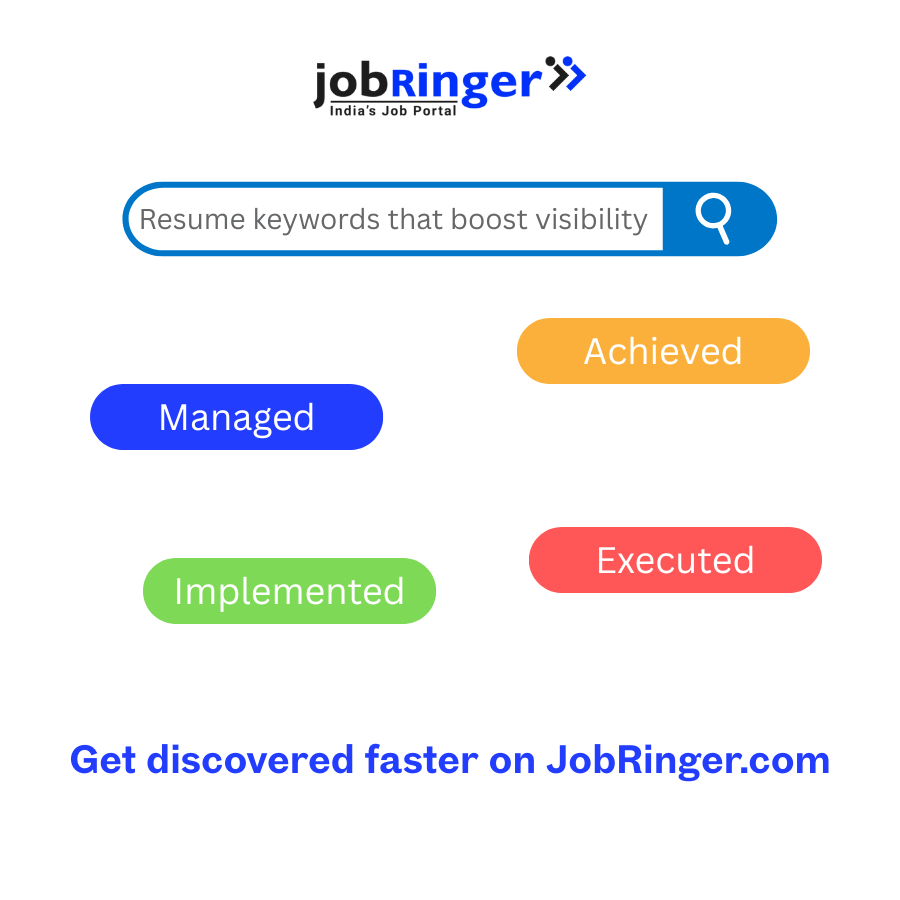
Master the Algorithm Game: Smart job seekers treat their resumes like search engine optimization projects. They research job descriptions to identify crucial keywords, use industry-standard terminology, and structure their documents for both AI parsing and human appeal. This isn't about gaming the system—it's about speaking its language.
Embrace Your Digital Tools: The most successful candidates leverage AI as a competitive advantage. Resume builders help optimize for specific ATS systems, while interview preparation platforms provide realistic practice scenarios. Some professionals even use AI writing assistants to craft compelling cover letters at scale, personalizing dozens of applications efficiently.
Build relationships beyond algorithms: Paradoxically, as recruitment becomes more automated, human connections become more valuable. Referrals and networking still carry tremendous weight, often bypassing AI screening entirely. Professionals who invest in authentic networking—through industry events, LinkedIn engagement, and mentorship programmes —create pathways that no algorithm can block.
The Recruiter's New Playbook
From the hiring side, AI has created unprecedented capabilities alongside complex new challenges. Today's recruiters can identify potential candidates from millions of profiles, predict interview success rates, and even analyze video interviews for personality traits and cultural fit indicators.
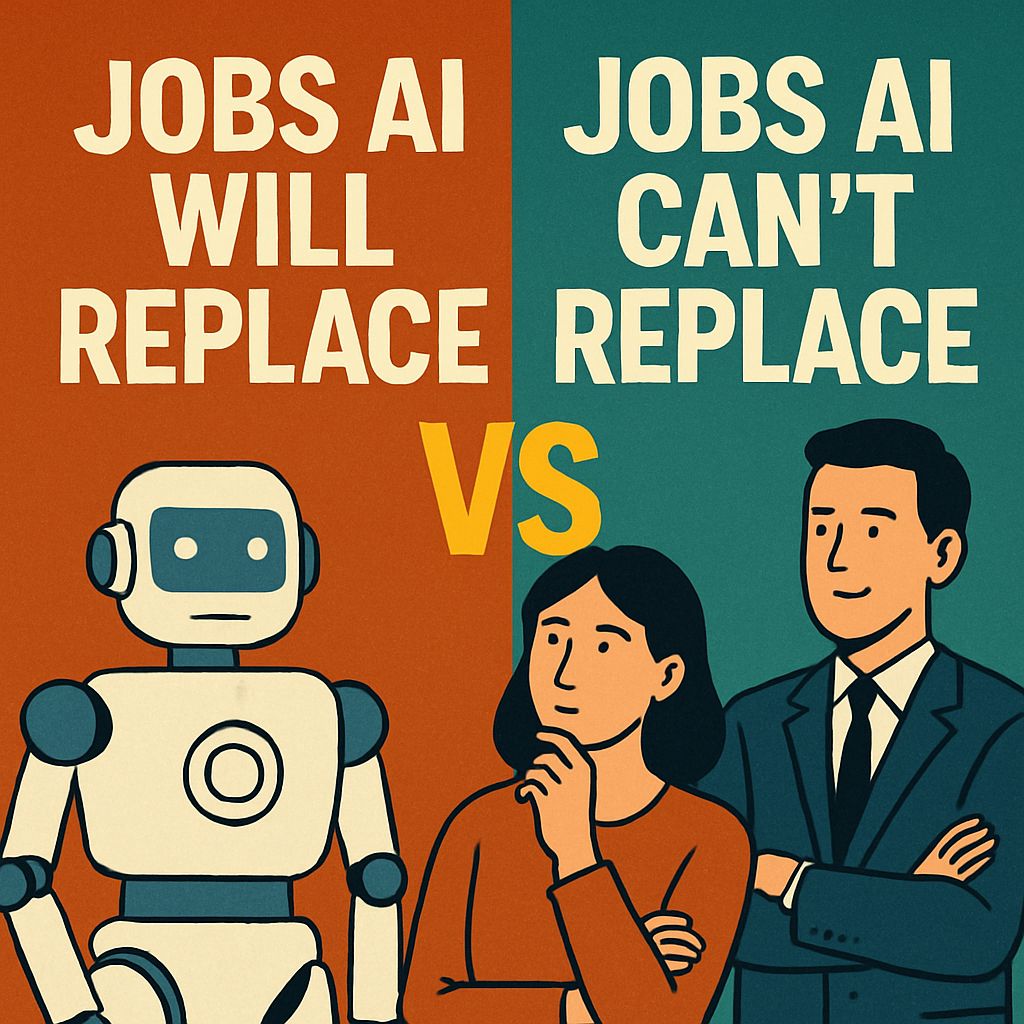
However, the most effective recruiting teams use AI as an enhancement tool rather than a replacement for human judgment. They recognize that while algorithms excel at identifying technical qualifications, they struggle with assessing creativity, leadership potential, and cultural chemistry—factors that often determine long-term success.
Leading companies are also grappling with bias concerns. Amazon famously scrapped an AI recruiting tool that discriminated against women, while other organizations have discovered their systems inadvertently filtered out candidates from diverse backgrounds. This has led to increased focus on algorithmic auditing and human oversight.
The Skills That Matter Most
In this new landscape, certain capabilities have become particularly valuable. Technical proficiency with AI tools gives job seekers an immediate advantage, but the deeper opportunity lies in developing skills that complement rather than compete with artificial intelligence.
Emotional intelligence becomes a differentiator when algorithms handle initial screening. Creative problem-solving stands out in a world of standardized assessments. Complex communication skills matter more when human interaction becomes the exception rather than the rule.
Forward-thinking professionals are also developing "AI collaboration" skills—learning to work effectively with automated systems, interpret algorithmic insights, and maintain human judgment while leveraging machine efficiency.
Emerging Trends Reshaping Tomorrow's Market
The evolution continues at breakneck speed. Virtual reality interviews are moving from experimental to mainstream, allowing candidates to demonstrate skills in simulated work environments. Blockchain-verified credentials promise to eliminate resume fraud while streamlining qualification verification.
Predictive analytics is becoming more sophisticated, with some systems claiming to forecast not just job performance but also career trajectory and retention likelihood. Meanwhile, conversational AI is approaching human-level sophistication in conducting preliminary interviews.
Perhaps most significantly, regulatory frameworks are emerging. The European Union's AI Act includes provisions for hiring algorithms, while several U.S. states are considering transparency requirements for AI-powered recruitment decisions.
The Strategic Advantage
Understanding these trends provides a crucial competitive edge. Job seekers who master AI tools while developing uniquely human skills position themselves for sustained success. Recruiters who leverage technology while preserving human insight attract better talent and make superior hiring decisions.
The key insight is that AI in recruitment isn't a threat to be feared but a reality to be strategically navigated. Like any significant technological shift, it creates new opportunities for those who adapt while leaving behind those who resist change.
Your Next Move
The AI revolution in recruitment is accelerating, not slowing down. The professionals who thrive in the coming decade will be those who embrace this transformation while remembering that career success ultimately depends on human value creation.
Whether you're seeking your next opportunity or building a team, the question isn't whether AI will reshape your professional world—it's whether you'll be ready when it does. The tools, strategies, and insights are available today. The choice to use them is yours.
The future of work is being written right now, one algorithm at a time. Make sure you're part of the story.
As AI continues to evolve, its role in recruitment will only grow stronger. It promises to make the hiring process more efficient, accurate, and fair. However, job seekers will need to stay informed and adapt to these changes to stand out.
Here are some tips to navigate the AI-powered recruitment landscape:
- Optimize your resume for ATS: Use clear, concise language and incorporate relevant keywords.
- Stay updated on AI trends: Understand how companies are using AI in their hiring processes to better prepare yourself.
- Leverage AI tools: Use AI-driven job platforms and networking tools to streamline your job search.
- Practice for AI interviews: Prepare for virtual interviews by practicing responses and ensuring you’re comfortable on camera.
AI is reshaping how we approach recruitment, making the job search faster, more efficient, and even more personalized. By staying ahead of the curve, you can leverage these technological advances to your advantage and find the right job faster than ever before. As AI continues to change the game, tools like Jobringer ~ India’s Job Portal are here to help you navigate the future of work with ease. Ready to see how AI can enhance your job search? Visit us today to get started.